Luxury wine and food hamper retailer Virginia Hayward collaborated with Dr Joe Inglis, a veterinary surgeon and pet nutrition expert, to discuss which food ingredients and packaging types can be dangerous to animals.
The discussion highlighted that the following 6 food and packaging items are dangerous to local wildlife:
- Crisp packets
- Plastic bags
- Cans
- Glass
- Balloons
- Bread
Dr Inglis shared that “food packaging, such as crisp packets, can be dangerous for local wildlife (such as birds, squirrels, and other small mammals, as well as marine animals like fish, ducks, and swans) if left behind after a picnic.
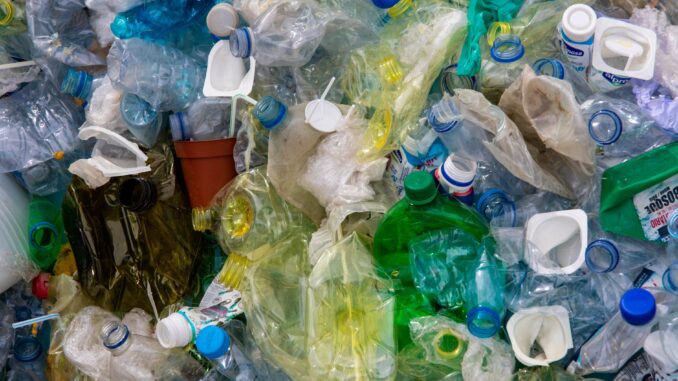
“Crisp packets can be eaten by animals or marine wildlife and cause dangerous intestinal blockages. Animals can climb inside plastic bags and suffocate or attempt to eat them and choke. Empty food cans attract wildlife and the sharp metal edges can cause serious injuries. Broken glass can lead to serious injuries for wildlife – and people. Discarded balloons can be eaten by wildlife and cause health issues as a result. Bread can actually be dangerous for ducks, so be sure to clear all litter after a picnic, and as a safer alternative, instead feed them sweetcorn, porridge oats, crumbled biscuits, defrosted frozen peas, or bird seeds.
“Always clear up any litter and recycle responsibly and appropriately where necessary.Try to avoid single-use plastic bags, and safely dispose of any you do use – tying a knot in the top of plastic bags before recycling as this can help prevent deaths. Help protect animals by cutting up balloons before putting them safely into your bin”.
As well as litter causing a problem for animals, if our pets join us on our visits to the beer garden then feeding them from our plates can also pose a risk for our pooches.
The discussion highlighted that the following 14 food items are dangerous to dogs:
- Cooked bones
- Alcohol
- Onion
- Garlic
- Leeks
- Chocolate
- Corn on the cob
- Avocado
- Grapes
- Raisins
- Macadamia nuts
- Xylitol (artificial sweetener)
- Blue cheese
- Mouldy foods
Dr Inglis added that “cooked bones, found in various BBQ dishes and some meaty pub meals, can splinter into shards, so there is a risk of choking and serious damage to the dog’s mouth, throat, or intestines. Alcohol has a much bigger impact on dogs than it does on people and can lead to sickness, diarrhoea, and even central nervous system damage.
“Onions and related plants from the allium family, such as garlic and leeks, can be toxic to dogs, causing gastrointestinal irritation and damage to red blood cells. Chocolate contains a stimulant called theobromine (dark chocolate has the highest content of this) which is toxic to dogs and can cause kidney failure. Although not poisonous, corn on the cob can be potentially fatal if eaten by a dog, as the hard fibrous cob can easily be swallowed and cause a serious blockage in the intestine.
“A chemical called persin in the leaves, fruit and seeds of avocado plants can cause vomiting and diarrhoea in dogs. Avocado stones are also a danger as they can cause intestinal blockages if swallowed. Grapes and raisins are found in many foods but contain an unknown active ingredient which can cause severe liver damage and kidney failure in dogs. Macadamia nuts contain a toxin that can affect dogs’ muscles and nervous system resulting in weakness, swollen limbs and panting. Xylitol causes an insulin release that can result in dangerous hypoglycaemia in dogs, which is linked to liver failure and blood clotting disorders.
“Roquefort and other blue cheeses contain a substance called roquefortine C and in rare circumstances this can cause dogs to develop muscle tremors and seizures, which may last for up to two days. Mouldy foods can contain lots of different toxins and, if eaten, may make your dog ill.
“Do not feed dogs any of the items mentioned above, and be sure to keep these ingredients well out of reach. If you compost your food scraps, then make sure that they are kept outside in a sealed container that your dog cannot access”.
Alex Walker, Marketing Manager at Virginia Hayward, commented:
“Some social restrictions were eased in March 2021 in line with the ‘rule of six’, leading many to flock to their local parks or gardens to enjoy a picnic hamper or BBQ with friends or extended family. Much to the excitement of many, pub gardens and restaurants have also reopened (on Monday 12th April) for outdoor drinks and dining. However, various pub, picnic, party, and BBQ food, as well as the associated litter, can be dangerous for animals if left behind.
“Whether you’re enjoying your meal in a local park, beer garden, or your own backyard, be sure to keep local wildlife and pets in mind – clean up any food scraps or litter once you’ve finished, and avoid feeding your pet dogs the foods mentioned above”.
For more information, visit: https://www.virginiahayward.com/hamperblog/20-food-related-items-that-can-be-dangerous-to-animals
Photo by Magda Ehlers on Pexels.com
