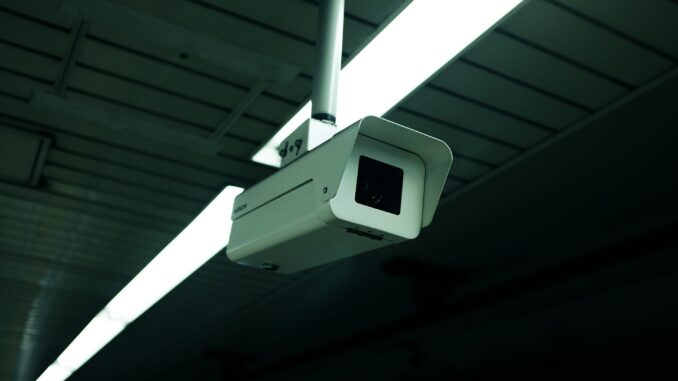
Recent reports reveal that supermarkets in the UK, including Asda, are piloting facial recognition technology to combat retail crime. This initiative raises a host of important legal and ethical considerations; while preventing theft is undoubtedly a legitimate concern for retailers, such measures must be proportionate, transparent and compliant with UK data protection laws.
Mark Hodgson, Chairman of Tremark and Vice President of The Association of British Investigators,offers his analysis on the implications of facial recognition technology in retail, as well as the critical balance between security measures and the protection of consumer rights.
What do consumers need to know?
Asda’s trial highlights the importance of ensuring that customers are fully informed about the technology being used in public spaces like supermarkets.
Consumers have a fundamental right to understand when and how their biometric data is being collected. As mandated by the UK General Data Protection Regulation (GDPR), retailers must provide clear and accessible disclosures. This means that supermarkets will need to display prominent signage and offer detailed explanations regarding the purpose and scope of their data collection.
“A key concern is whether customers are giving meaningful consent,” says Mark. “If facial recognition is implemented without a clear opt-out mechanism, there are ethical questions about individual autonomy and informed choice.”
Ethical Concerns and Data Security
The handling of biometric data comes with significant responsibilities, given its sensitive nature. Unlike a password, biometric data cannot be changed: if it becomes compromised, you could be in real trouble.
While investigatory firms like Tremark adhere to stringent data security protocols, it remains unclear whether supermarkets like Asda have equivalent safeguards in place. As Mark states, “If such data is stored insecurely or accessed by unauthorised parties, the risks to individuals could be severe.” This concern is especially pertinent given the potential for data breaches that could expose sensitive information.
The use of facial recognition technology also raises concerns about accuracy. Research has shown that these systems may misidentify individuals,particularly those from ethnic minority backgrounds, which increases the risk of false accusations and discrimination. Bias can easily be programmed into technology, inadvertently or otherwise, so results cannot be treated as infallible – but many providers do not acknowledge (or even realise) that their product has such issues.
“If a customer is wrongly flagged, what recourse do they have, and how quickly can errors be corrected?” asks Hodgson. “Retailers must ensure they have robust mechanisms in place to prevent wrongful targeting and protect their reputation.”
Legal Considerations and Data Sharing
UK law stipulates that personal data collected for one purpose cannot be repurposed without a lawful basis. If supermarkets assert that facial recognition is solely for identifying known shoplifters, then it absolutely must not be used for general customer tracking, targeted marketing or other unrelated activities without explicit consent.
Another pressing question is whether this data is shared with law enforcement, and how it could be used by them if so. Businesses can share information with the police if there is a legitimate legal basis, such as crime prevention, but without clear guidelines, there is a risk that private companies like Asda could become de facto surveillance agencies.
“Asda will need to be transparent about any partnerships with law enforcement and ensure data-sharing practices remain within the legal framework,” warns Mark.
Impact Assessment – A Step Too Far?
While retailers like Asda argue that facial recognition can deter repeat offenders, the overall effectiveness of such measures remains uncertain. The potential for normalising mass surveillance in everyday settings cannot be overlooked. If implemented widely, this technology could set a precedent for extensive facial recognition tracking, raising significant concerns over civil liberties and privacy.
Rather than resorting to intrusive surveillance, Mark suggests that retailers explore alternative security measures. “Improved staffing, store layouts that minimise theft opportunities and AI-powered theft detection that does not involve biometric data collection could all be more effective,” he notes.
Conclusion
The implementation of facial recognition technology in supermarkets, as seen with Asda’s trial, presents complex ethical and legal challenges.
Without adequate safeguards, the potential risks to consumer privacy and civil liberties may outweigh any benefits. It is essential that both the public and regulatory bodies scrutinise these initiatives to ensure they align with fundamental rights and best practices in data security and governance.
