
January has well and truly arrived and with that comes the change in weather and ultimately a frozen car, here we have some ways to defrost your car. It is always a chore to defrost your car when the cold spell hits, especially if it is Monday morning, 6am and pitch-black outside but you need to ensure that your chosen method isn’t making things worse – for your car and the environment. Most people seem to think that boiling water will do that trick but that can lead to your windscreen cracking, so you need to be prepared before.
Luckily, the experts at Design 911 have shared 7 eco-friendly ways you can defrost your car so you can get it done in half the amount of time without harming the environment and your vehicle.
7 ways to defrost your car
1) Purchase a windscreen cover
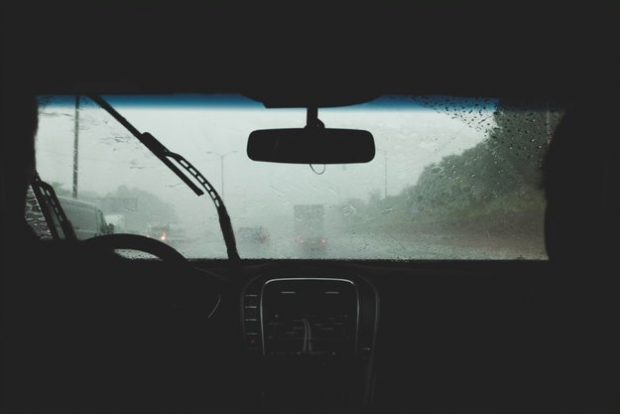
Windscreen covers can save you a lot of time and hassle in the morning. Put one of these on your cars the night before to prevent any ice forming on the windscreen and when you are ready to drive your vehicle, simply pull the cover off and you will have a clear view! Some windshield covers have the ability to work in all weather conditions, but it is recommended to opt for covers that are dedicate for colder climates.
2) Avoid putting boiling hot water on your car

Pouring hot water is not an efficient way to clear your windscreen and is in fact detrimental to your car. You can risk damaging the paintwork and melting the protective wax layer in the paint which can prove very expensive to repair. The drastic heat from the water can end up cracking the glass so it’s best to wait in order for you to defrost the car properly.
3) Make your own de-icer
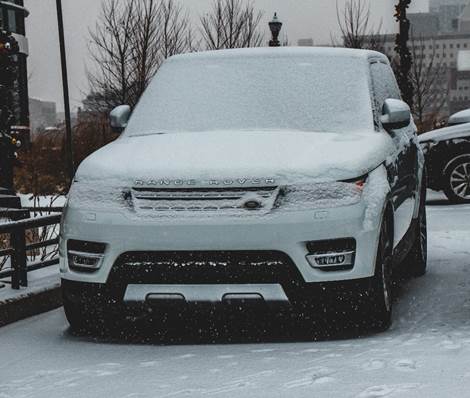
Chemical de-icers can be extremely damaging to the environment, which is why DIY’ing your own deicer is a great alternative. Simply mix water and eco-friendly ice melting salt, which you can find at your local hardware store, and spray it on your car in a reusable bottle. As well as being non-corrosive and non- toxic, this effective DIY deicer won’t harm people, pets or property.
4) Only use car scrapers to remove the frost

You should never use anything other than car specific scrapers to remove ice from your windows as this runs the risk of scratching the windows will cost more to repair than investing into a suitable scraper. This includes anything plastic such as a CD cover or even your car keys. If you’re looking to drive through tough winter conditions, considering one of the best pickup trucks in Canada can also be a smart choice for handling icy roads and harsh weather.
5) Prevent frost all over
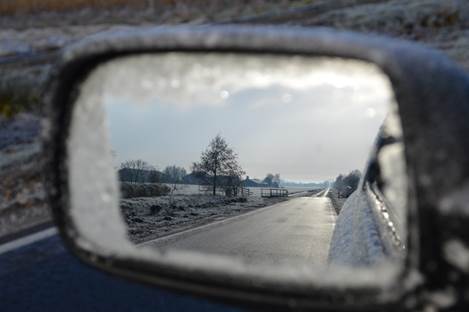
Alongside a windscreen cover there are many DIY tasks you can do to prevent your car from frosting over-night. Spray your car with 1:2 ratio of water and alcohol overnight, this will stop ice from settling on your screen. If it’s the blades freezing, then rub them with alcohol and cover your side mirrors with carrier bags the night before to avoid the frost settling there too.Another way to keep the frost away is to use a car cover for snow.
6) Warmed rice packets
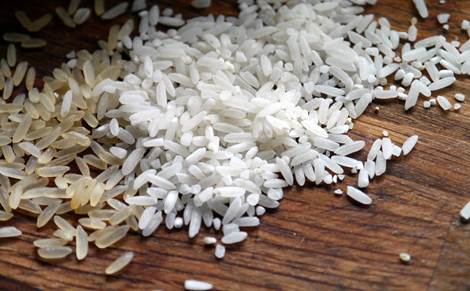
Place rice in a heavy-duty zip lock bag and microwave for 30 seconds, use the bag to then pass across the inside of the window while seated inside your car, this will warm the glass and the ice will melt. This method is more efficient than scraping because the glass becomes warm and as you start to drive it will not re-frost. Plus, this method allows you stay warm and dry inside whilst you wait for your car to be suitable to drive.
7) Turn the engine on when you’re ready
The heating is one of the first things people turn up to maximum as soon as they step out to de-ice their cars, whilst this doesn’t do much hard, it doesn’t do you any good as you’re sitting there shivering for a few minutes still. This is because the initial heat is a waste product of the engine’s combustion. Your car will warm up faster if you keep your heat off until the engine gets warm, so it is recommended to drive off around 30 seconds after starting the engine as this will allow the heat to turn on sooner which lowers fuel costs and reduces emissions.
This piece was brought to you by the experts at https://www.design911.co.uk/
