New research from specialist landlord insurance provider Just Landlords reveals a surge in so-called ‘renter-friendly’ DIY trends on TikTok, many of which could actually cost tenants hundreds of pounds in deposit deductions.
Hashtags such as ‘#RenterFriendly’ (53,200 posts) and ‘#PeelAndStick’ (27,500 posts) are gaining traction on the social media platform, as renters look for quick and affordable ways to personalise their homes. At the same time, interest is rising on search engines, with Google searches for ‘peel and stick’ increasing by 18% year-on-year, alongside a 21% rise in TikTok searches.
But despite being marketed as temporary or ‘damage-free’, many of these popular DIY solutions rely on strong adhesives or alterations that can cause lasting damage to walls, surfaces and fixtures. This can leave landlords having to carry out expensive repairs and put tenants at risk of losing their deposit.
Specialists at Just Landlords have identified five of the most popular ‘renter-friendly’ DIY trends on TikTok, along with the potential risks associated with each.
- Peel and stick tiles
Popular for quick kitchen and bathroom upgrades, peel and stick tiles can damage walls when removed, stripping paint or even plaster. They can also trap condensation behind them, increasing the risk of damp or mould developing out of sight.
- Vinyl wrap
Used on worktops or cupboards to mimic expensive finishes such as marble or wood, vinyl wraps can leave residue or cause damage to the underlying surfaces. In some cases, removing the wrap can expose discolouration or surface degradation, leaving landlords needing to repair or replace sections.
- LED strip lighting
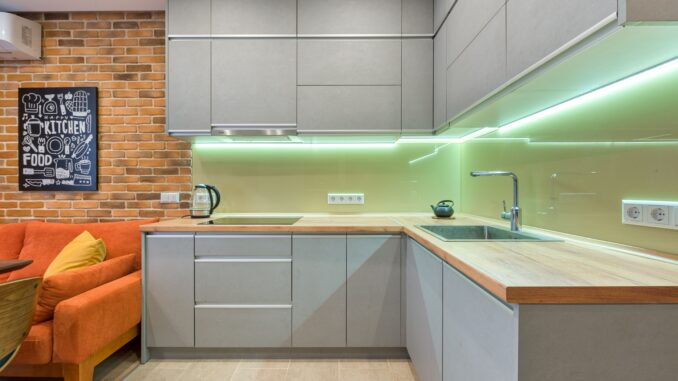
A staple of TikTok bedroom and living room makeovers, LED strip lights rely on adhesive backing to stick to walls. Similarly, these can pull away paint or leave behind marks which need covering.
- Temporary wallpaper
While marketed as removable, temporary wallpaper can still peel paint or leave residue behind, especially if left up for extended periods. Even when removal is straightforward, walls may still need significant preparation before they can be repainted.
- No-drill adhesive strips and hooks
One of the most well-known ‘damage-free’ DIY solutions, adhesive strips and hooks can become problematic when used beyond their intended weight limits. Overloading them with heavier items can put unexpected strain on walls, damaging paint, wallpaper and plaster.
While tenancy agreements accept a reasonable amount of wear and tear, deposits are designed to cover damage beyond this, with adhesive damage often falling outside ‘acceptable use’.
Clark Ross, Managing Director of Just Landlords, comments:
“Many tenants assume that ‘renter-friendly’ means risk-free, but that isn’t always the case. Even temporary DIY hacks can cause lasting damage, particularly when adhesives are involved.”
“The safest approach is always to speak to your landlord before making any changes. In many cases, landlords are open to personalisation, but clear communication can help avoid disputes and unexpected costs later.”
“For landlords, the challenge is not just the cost of repairs, but the potential delay in getting properties back on the market. This is where the right insurance cover becomes essential, helping to protect against unexpected damage and ensure properties can be brought back to a lettable condition with minimal disruption.”
Photo by Max Vakhtbovych: https://www.pexels.com/photo/brown-wooden-counter-top-6969994/
